Introduction
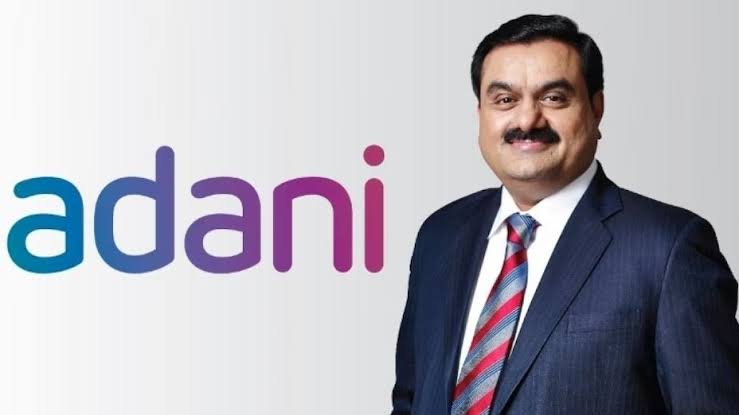
The Adani Group, led by Gautam Adani, is one of India’s largest and most influential conglomerates, with interests spanning from energy and resources to infrastructure and logistics. The story of Gautam Adani and his business empire is one of unparalleled ambition, relentless drive, and a keen eye for opportunities in a rapidly evolving economy. However, it is also a story marred by controversies, accusations, and challenges that have tested the resilience of one of India’s most enigmatic billionaires.
This article delves into the fascinating journey of Gautam Adani—from his humble beginnings in Gujarat to becoming one of the wealthiest individuals in the world. We will explore the rise of the Adani Group, the struggles and setbacks along the way, the controversies that have surrounded the empire, and its current status in the global business landscape.
Early Life and Humble Beginnings
Gautam Adani was born on June 24, 1962, in Ahmedabad, Gujarat, into a modest Jain family. His father, Shantilal Adani, was a small textile merchant, and Gautam was the seventh of eight children. Growing up in a middle-class household, young Adani was exposed to the world of commerce early on, but it was clear that his ambitions extended far beyond the confines of his family’s textile business.
Despite being an average student, Gautam Adani had a sharp mind and an innate understanding of business dynamics. He attended Sheth Chimanlal Nagindas Vidyalaya school in Ahmedabad and later enrolled at Gujarat University to pursue a bachelor’s degree in commerce. However, his academic journey was short-lived as Adani dropped out of college after the second year, driven by a desire to carve his own path in the world of business.
The Early Ventures: Diamonds and Plastics
In 1978, at the age of 16, Gautam Adani moved to Mumbai, the commercial capital of India, with just a few hundred rupees in his pocket. He began his career working for Mahendra Brothers, a diamond brokerage firm. Here, he honed his skills in trading and quickly gained a reputation for his sharp business acumen. Within a few years, Adani had saved enough money to start his own diamond brokerage business.
By the early 1980s, Gautam Adani returned to Ahmedabad to join his brother Mansukhbhai Adani, who had recently acquired a plastics unit. The Adani Group’s journey began in 1988, when Gautam Adani founded Adani Exports Limited, now known as Adani Enterprises Limited. The company initially focused on the import of polyvinyl chloride (PVC), a key raw material for manufacturing plastics. This venture laid the foundation for what would eventually become a sprawling business empire.
Expansion and Diversification: The Making of an Empire
The liberalization of the Indian economy in the early 1990s provided a fertile ground for entrepreneurs like Gautam Adani to expand their businesses. Adani Exports diversified into the trading of various commodities, including agricultural products, textiles, and metals. The company’s growth was exponential, and by the mid-1990s, Adani had established himself as a formidable player in the trading industry.
However, Gautam Adani’s ambitions were not limited to trading. He had a vision of transforming Adani Enterprises into a multi-sector conglomerate. In 1995, he took a significant step towards realizing this vision by setting up Mundra Port in Gujarat. What started as a small jetty to support the import of PVC for the plastics business eventually grew into India’s largest commercial port. Mundra Port became the crown jewel of the Adani Group, providing the company with a strategic advantage in the logistics and infrastructure sectors.
The success of Mundra Port marked the beginning of the Adani Group’s rapid expansion into various industries. Over the next two decades, the group diversified into power generation, coal mining, renewable energy, gas distribution, agribusiness, real estate, and defense. Gautam Adani’s strategy was clear: identify high-growth sectors, invest heavily, and leverage the group’s strengths in infrastructure and logistics to dominate these markets.
Struggles and Setbacks: Navigating Challenges
While the Adani Group’s rise to prominence was impressive, it was not without its share of challenges and setbacks. One of the most significant challenges came in the form of regulatory hurdles and opposition from environmental activists.
The development of Mundra Port and the subsequent expansion of the Adani Group’s infrastructure projects were met with resistance from local communities and environmental groups. The company faced allegations of land acquisition without proper compensation, environmental degradation, and violations of coastal regulation norms. These issues led to prolonged legal battles and delays in several projects.
In 2010, the Adani Group faced another major setback when the Indian government initiated a probe into the company’s coal import practices. The Directorate of Revenue Intelligence (DRI) accused the Adani Group of over-invoicing the import of coal to siphon money abroad. This controversy cast a shadow over the group’s reputation and led to a series of investigations and legal battles that continued for years.
Despite these challenges, Gautam Adani remained undeterred. He demonstrated a remarkable ability to navigate complex regulatory environments and maintain the momentum of the group’s growth. His close ties with political leaders, both at the state and national levels, were often cited as a factor that helped the Adani Group secure key contracts and clear regulatory hurdles.
Political Connections and Allegations of Favoritism
The rapid rise of the Adani Group has often been linked to Gautam Adani’s close relationship with political leaders, particularly Indian Prime Minister Narendra Modi. Adani and Modi’s association dates back to the early 2000s when Modi was the Chief Minister of Gujarat. During Modi’s tenure, the Adani Group was awarded several large infrastructure projects in the state, including the development of Mundra Port and the establishment of special economic zones (SEZs).
Critics have alleged that the Adani Group has benefited from undue favoritism and preferential treatment from the government. The group’s expansion into new sectors, such as power generation and coal mining, has often been accompanied by accusations of crony capitalism and irregularities in the allocation of resources.
One of the most controversial episodes in the Adani Group’s history was the acquisition of the Carmichael Coal Mine in Australia. The project faced widespread opposition from environmental groups and indigenous communities, both in Australia and globally. Despite the backlash, the Adani Group persisted, securing approvals and financing for the project, leading to allegations of political interference and favoritism.
Gautam Adani has consistently denied these allegations, maintaining that the success of the Adani Group is the result of strategic investments, operational efficiency, and a relentless focus on growth. However, the perception of political favoritism has continued to dog the group, particularly as it expands into new and sensitive sectors such as defense and airports.
The Adani Group Today: A Global Powerhouse
As of 2024, the Adani Group has grown into a global powerhouse with a market capitalization exceeding $200 billion. The group operates in over 50 countries and employs more than 100,000 people. It is the largest private-sector power producer in India, the largest private port operator, and the largest private player in the renewable energy sector.
The Adani Group’s businesses are organized into six main sectors:
- Energy and Utilities: The group’s energy portfolio includes thermal power generation, renewable energy, and transmission and distribution. Adani Green Energy is one of the largest renewable energy companies in the world, with a capacity of over 20 GW.
- Infrastructure: This sector includes ports, logistics, and airports. Mundra Port remains the flagship asset, but the group has expanded its port operations to multiple locations across India and overseas. The acquisition of six airports has made Adani the largest airport operator in India after the government.
- Resources: The Adani Group is one of the largest coal miners in India and Australia. The Carmichael Coal Mine, despite its controversies, is a key asset in this portfolio.
- Agribusiness: The group’s agribusiness interests include edible oil, food processing, and storage. Adani Wilmar, a joint venture with Wilmar International, is one of the largest edible oil companies in India.
- Real Estate: The group has a significant presence in real estate, with projects in both residential and commercial sectors.
- Defense and Aerospace: The Adani Group has made significant inroads into the defense sector, partnering with global giants like Saab and Elbit Systems to manufacture defense equipment in India.
The Adani Group’s success has made Gautam Adani one of the richest individuals in the world. As of 2024, his net worth is estimated at over $100 billion, making him the second-richest person in India, behind Mukesh Ambani.
Present Controversies: The Hindenburg Report and Market Turbulence
Despite the group’s impressive growth, the Adani Group has not been immune to controversies and market turbulence. In January 2023, Hindenburg Research, a U.S.-based short-selling firm, published a damning report accusing the Adani Group of accounting fraud, stock manipulation, and other financial malpractices. The report sent shockwaves through the Indian stock market, leading to a sharp decline in the share prices of Adani Group companies.
The Hindenburg report alleged that the Adani Group had used a complex web of offshore shell companies to inflate the value of its stocks and obscure the true financial health of the conglomerate. It also accused the group of having excessive debt levels and questioned the corporate governance practices of the group.
In response, the Adani Group vehemently
denied the allegations made in the Hindenburg report. The group issued a detailed rebuttal, dismissing the report as baseless and malicious. Gautam Adani himself described the report as an “attack on India,” suggesting that it was an attempt to undermine the country’s economic growth and the success of Indian businesses on the global stage.
Despite the group’s efforts to counter the allegations, the Hindenburg report led to a massive sell-off in Adani Group stocks, wiping out billions of dollars in market value. The group’s financials came under intense scrutiny, with investors and analysts questioning the sustainability of its aggressive expansion and high levels of debt. The controversy also sparked a broader debate about corporate governance standards in India and the role of regulatory authorities in ensuring transparency and accountability in the country’s financial markets.
Political Fallout and Regulatory Scrutiny
The Hindenburg report also had significant political implications. Opposition parties in India seized on the controversy to criticize the ruling Bharatiya Janata Party (BJP) government, accusing it of protecting and favoring the Adani Group. The issue was raised in the Indian Parliament, with opposition leaders demanding an independent investigation into the allegations and the group’s financial dealings.
In response to the growing political pressure, regulatory agencies, including the Securities and Exchange Board of India (SEBI) and the Reserve Bank of India (RBI), launched investigations into the Adani Group’s finances and stock market activities. The scrutiny extended to the group’s lenders, with concerns about the exposure of Indian banks and financial institutions to the group’s debt.
The Adani Group, however, continued to assert its innocence, maintaining that it had complied with all regulatory requirements and that its financial practices were sound. The group also announced plans to reduce its debt levels and strengthen its balance sheet, including by raising funds through the sale of assets and equity.
The Road Ahead: Challenges and Opportunities
As the Adani Group navigates the fallout from the Hindenburg report and the ensuing controversies, it faces both significant challenges and opportunities. The group’s ability to manage its debt, restore investor confidence, and address the concerns raised by regulators will be crucial to its long-term success.
Despite the current challenges, the Adani Group remains a formidable force in India’s economy. The group’s diversified portfolio, spanning critical sectors such as energy, infrastructure, and logistics, positions it well to capitalize on the country’s ongoing economic growth and development. The Indian government’s emphasis on infrastructure development, renewable energy, and self-reliance in defense manufacturing presents significant opportunities for the group.
However, the group will need to navigate a more cautious and skeptical market environment. The controversies surrounding the group have highlighted the importance of strong corporate governance, transparency, and financial discipline. As the group expands its global footprint and seeks to attract international investors, it will need to adhere to the highest standards of governance and accountability.
Conclusion
The story of Gautam Adani and the rise of the Adani Group is a remarkable tale of ambition, resilience, and strategic vision. From humble beginnings in Ahmedabad to building one of the world’s largest business empires, Gautam Adani’s journey is a testament to the power of entrepreneurship and the opportunities presented by India’s economic liberalization.
However, the controversies and challenges that have accompanied the group’s rise also underscore the complexities of doing business in a rapidly changing and highly competitive global environment. The Adani Group’s ability to address these challenges, maintain its growth trajectory, and uphold its reputation will determine its place in the annals of Indian business history.
As Gautam Adani and his empire continue to evolve, the world will be watching closely. The next chapter in the Adani Group’s story will be shaped by its response to the current challenges and its ability to navigate the opportunities and risks that lie ahead. One thing is certain: the Adani Group will remain a central player in India’s economic landscape, shaping the future of the nation’s business and industry for years to come.